Monocle Magazine’s Top 100 Shops Worldwide | The Independent’s Top 50 Independent Stores UK | Financial Times' How to Spend It | Elle Decoration’s The New Shopkeepers
Monocle Magazine’s Top 100 Shops Worldwide
The Independent’s Top 50 Independent Stores UK
Financial Times' How to Spend It
Elle Decoration’s The New Shopkeepers
Free UK shipping for small parcels over £95 and large parcels over £150
Free UK shipping for small parcels over £95
Free UK shipping for large parcels over £150

Enamelware
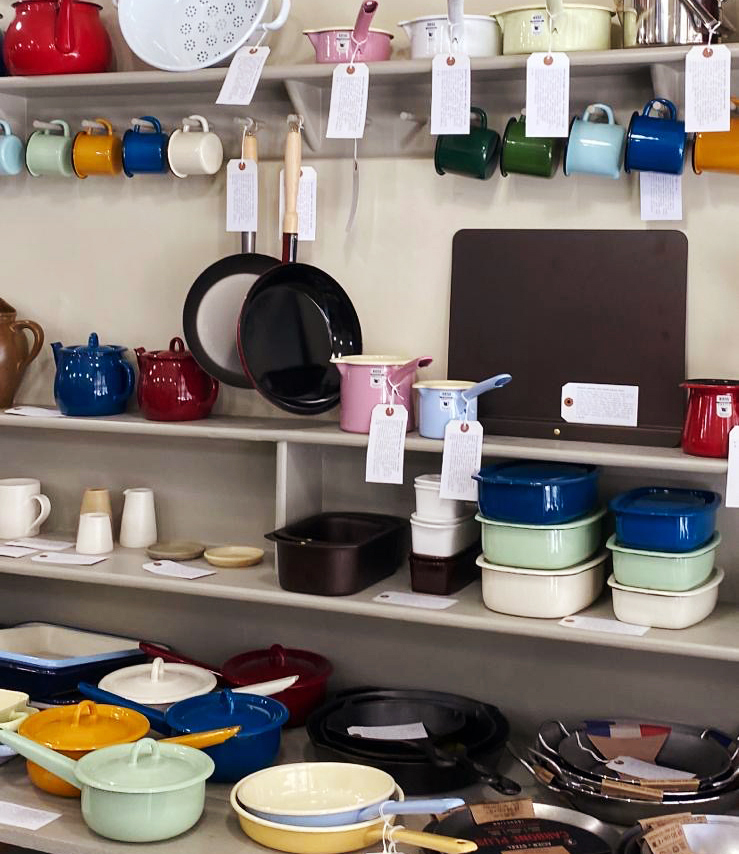
Enamelware
Use & Maintenance
Enamelware is a highly useful material, popular for is aesthetic and versatility. It is free from harmful chemicals such as nickel and lead, making it safe to eat and drink from. Enamelware can be used for many different applications while cooking and is safe to use on all hobs (including induction) up to 270 degrees celsius. It can also be used in the oven, but we recommend brushing a thin layer of cooking oil on beforehand. Always begin cooking on a low setting and then gradually increase the heat, to avoid thermal shock. After cooking, allow the enamel cookware to cool before cleaning — a sudden change in temperature can cause cracking.
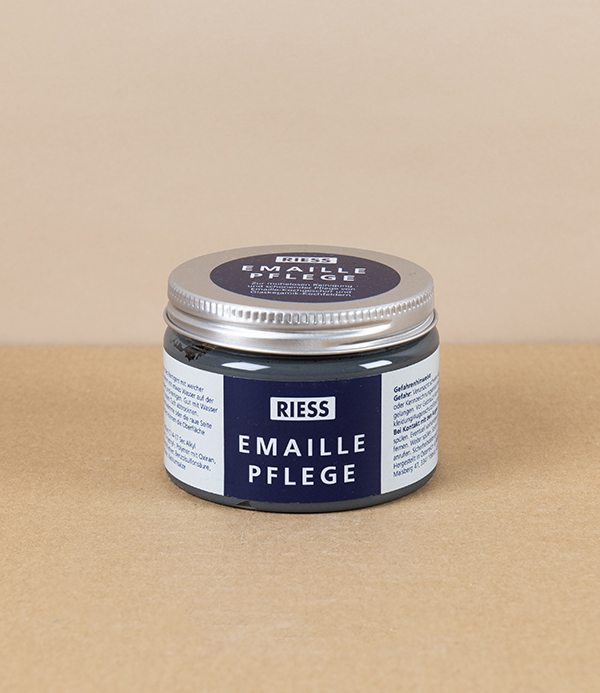
Enamelware can be easily cleaned. Once cookware has cooled, fill with warm soapy water and wash by hand with a soft sponge or brush. If you find burn marks or tough residue, simply soak in warm soapy water for a short period of time up to an hour before washing. Tougher stains can be removed by coating areas with bicarbonate of soda or lemon juice for a half an hour, and then washing as normal. Although most enamel is dishwasher safe, the surface may dull slightly and chip, and any exposed metal may rust. Small chips and defects in enamel are likely to occur over time, but this doesn’t prevent it from being useable as long as the interior of cookware is not damaged or rusting.