
Rust Removal: Knives
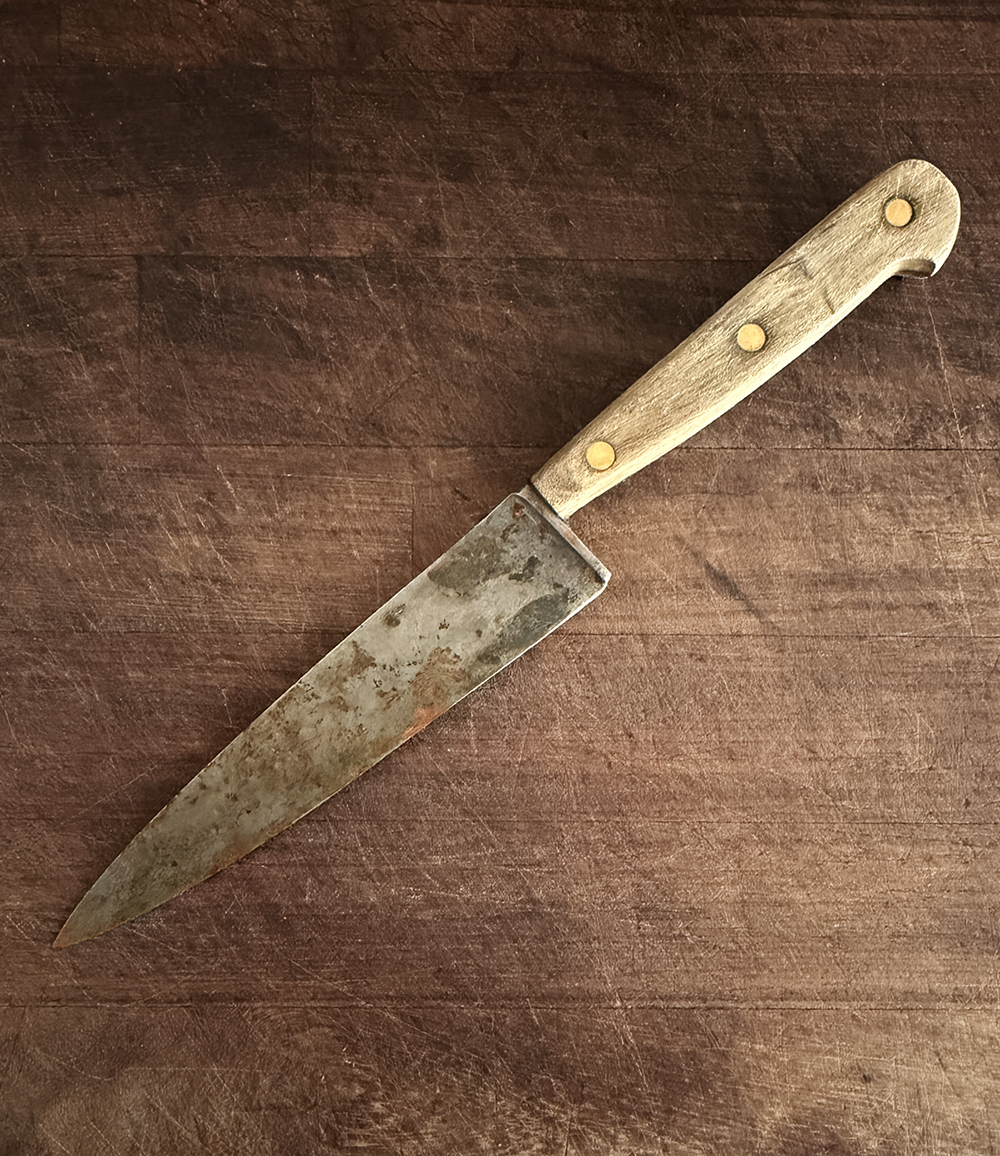
Even with the best care carbon steel knives can develop surface rust or corrosion over time. Whether it’s a trusty steak knife, a favorite pocket knife, or a high-end chef’s knife, knowing how to get rust off knives can help you preserve performance and longevity. Rust forms when iron in the steel reacts with oxygen and moisture—a natural process called oxidation. While water alone can start it, acidic foods like tomatoes, citrus and vinegar speed things up significantly. If a knife isn’t cleaned thoroughly or is left damp, these elements can linger on the blade and lead to corrosion. This doesn’t have to mean the end for your knife. Most rust sits on the surface and comes off with minimal effort. A few simple household methods can be used to restore your blade.
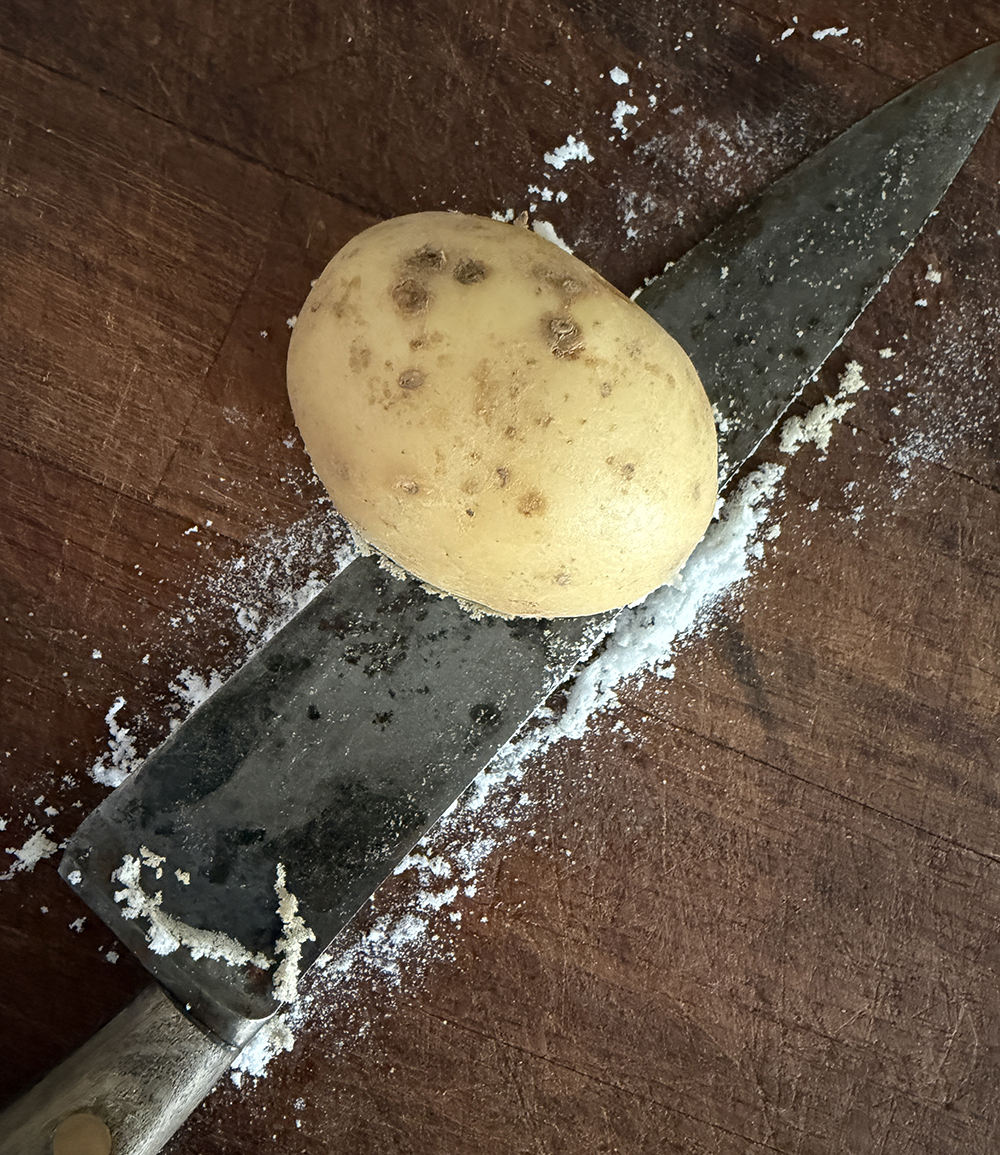
Baking soda can be used to remove rust — mix a paste and apply to the blade, and leave to work for 1-2 hours. Try using a soft cloth to massage the rusted areas, and if this doesn’t work move on to gentle scrubbing with a scouring pad or old toothbrush. Wash and dry thoroughly, and then apply oil to protect the blade. A variation on this method is called the Potato Method — slice a raw potato in half and dip the cut side in baking soda or coarse salt, before rubbing the potato directly onto the rusted area using circular motions. Alternatively, you can insert the knife blade into a whole potato and let it sit for 1–3 hours before removing the knife, washing and drying thoroughly.
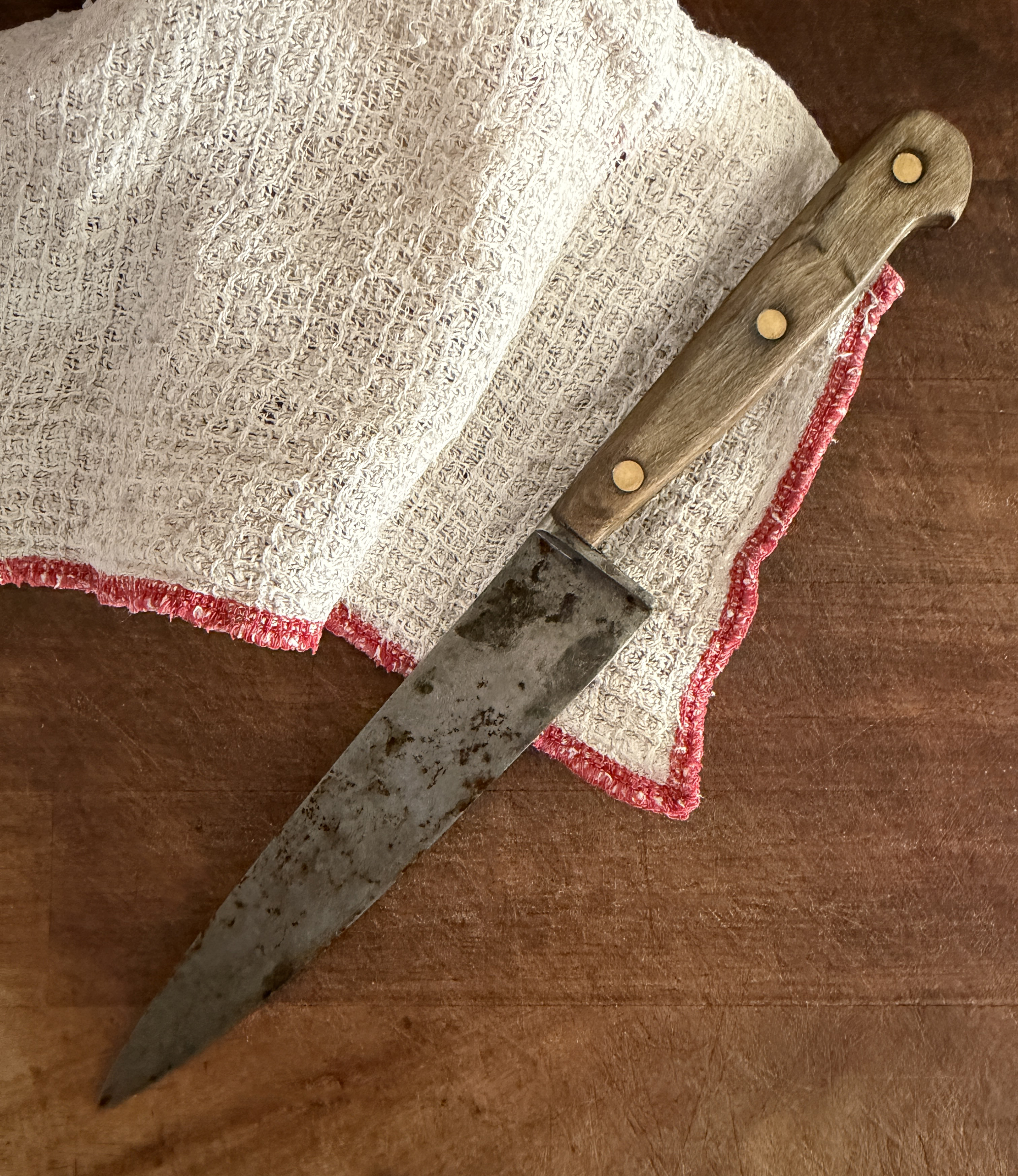
White vinegar can also be used for rust removal. White vinegar contains acetic acid, which reacts with iron oxide and helps break down rust buildup. It’s a simple and affordable method for more stubborn rust but timing is key to avoid damaging the blade. Submerge the rusted section of the blade in plain white vinegar and let it soak for 30 minutes to 2 hours, depending on the severity of the rust. Next, remove and gently scrub with a brush or non-metallic scouring pad. Rinse carefully with soap and water before drying the knife thoroughly to prevent further corrosion. Avoid soaking too long, especially with carbon steel blades as extended exposure can etch the surface and dull the finish.
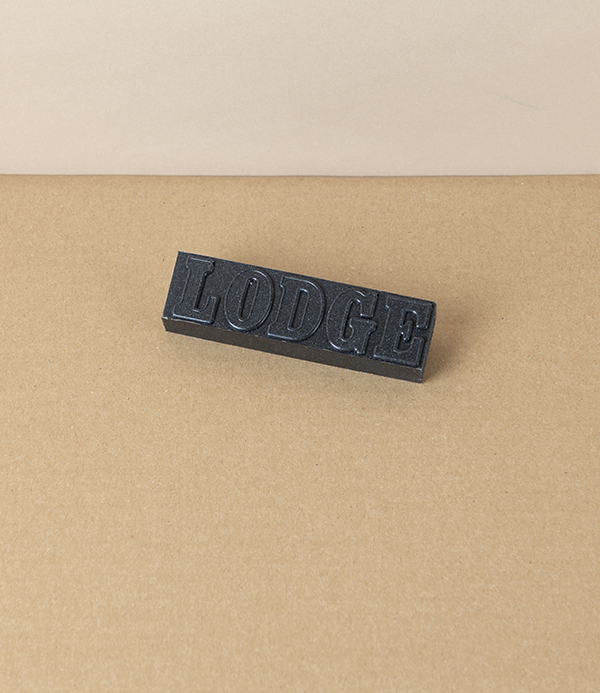
Another useful method is to use a rust remover. These are specialised tools made from rubber mixed with abrasive particles like silicon carbide. They’re easy to use, minimise damage to the blade, and work well for persistent rust spots and are especially useful for carbon steel knives with persistent stains.To use, soak the rust eraser in water for 5 minutes before gently rubbing the eraser over the affected areas, moving with the grain of the steel to remove rust stains. Re-wet the eraser during use if it starts to dry out. Once rust is removed, rinse the knife, wash it with dish soap, and dry thoroughly.
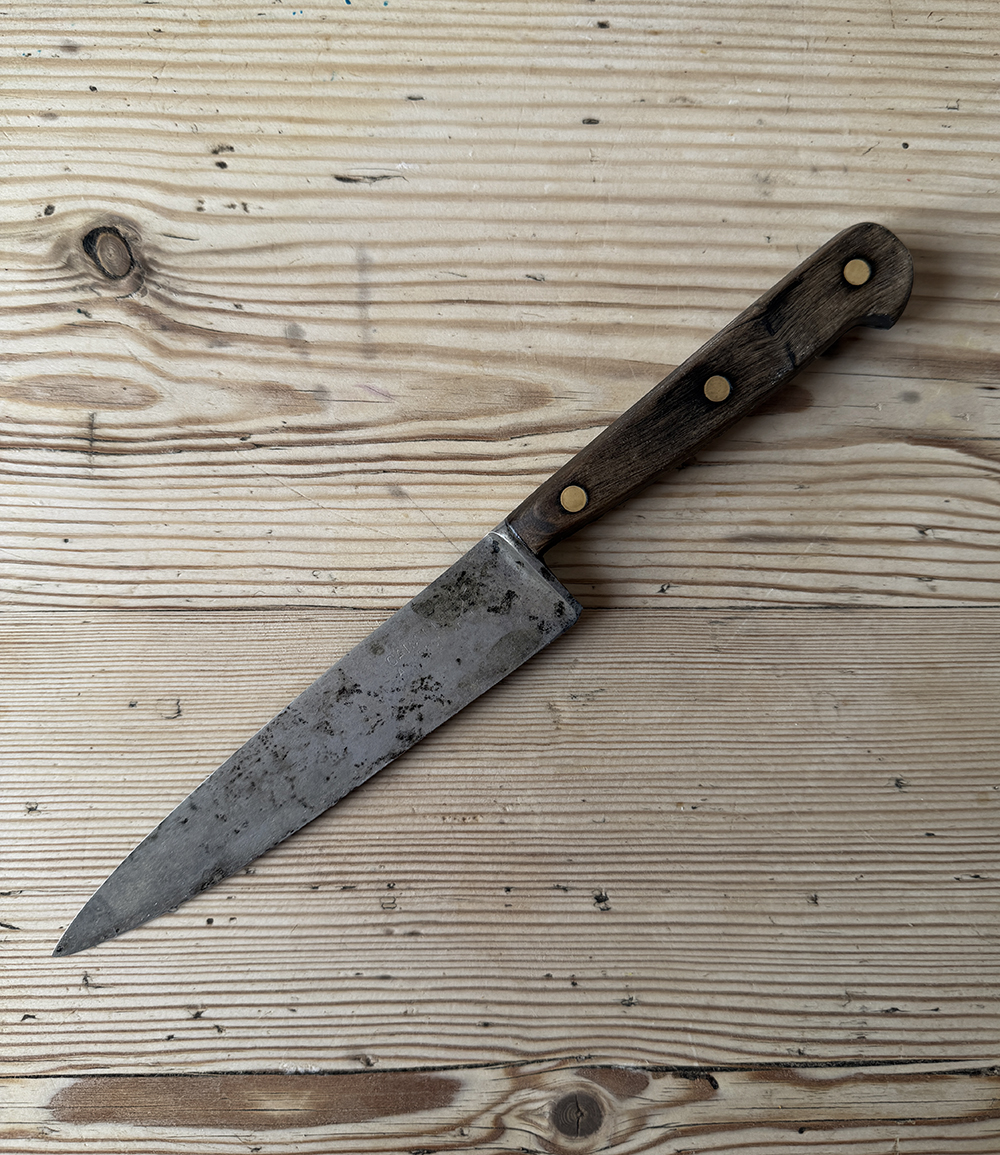
Alternatively, a combination of lemon (citric acid) and salt helps dissolve rust, while coarse salt acts as a gentle abrasive to lift it away. This method is great for light surface rust and requires no special tools. Sprinkle coarse salt over the rusted parts of the knife before squeezing fresh lemon juice over the salt until it’s saturated. Allow to sit for 15–30 minutes — for carbon steel knives, avoid leaving it on too long, as acids can cause further staining. Scrub gently with a soft sponge or brush, following the grain of the steel, then rinse thoroughly, wash with dish soap, and dry immediately. You can also mix lemon juice with baking soda for a fizzy, slightly less abrasive cleaning paste.
After using your chosen method, take care to always make sure your knife is dry before storing. Oiling the blade will help to protect it from air-borne moisture. Regular use is the best way to keep your blade in good condition.