Monocle Magazine’s Top 100 Shops Worldwide | The Independent’s Top 50 Independent Stores UK | Financial Times' How to Spend It | Elle Decoration’s The New Shopkeepers
Monocle Magazine’s Top 100 Shops Worldwide
The Independent’s Top 50 Independent Stores UK
Financial Times' How to Spend It
Elle Decoration’s The New Shopkeepers
Free UK shipping for small parcels over £95 and large parcels over £150
Free UK shipping for small parcels over £95
Free UK shipping for large parcels over £150

Linen Textiles
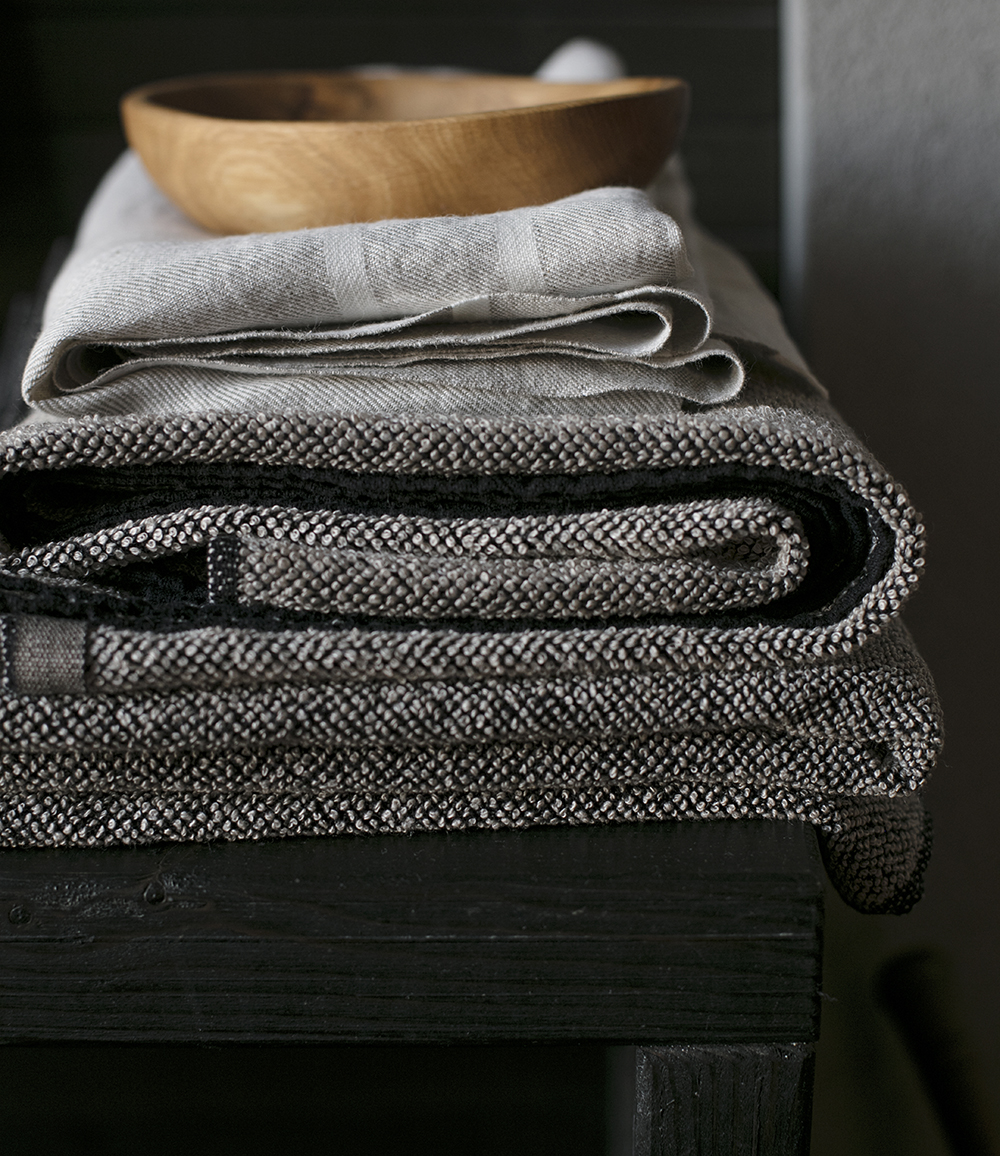
Linen Textiles
An Ancient Technology
Linen is one of the world's oldest cultivated fabrics, made from the sturdy fibres inside the stalk of the flax plant (Linum usitatissimum). Humans have used flax fibres for over 10,000 years. Ancient Egyptians mastered linen weaving around 5,000 BCE, using the pale, breathable cloth as currency, status symbols, and mummy wrappings due to its perceived ritual purity. In Medieval Europe linen served as foundational infrastructure for everyday life. By 789 CE, French king Charlemagne decreed that all households must cultivate flax and weave their own textiles. It was used for undergarments, bedding, towels, and sailcloth. Regions like Flanders became major production hubs by the 13th century.
The invention in 1793 of the cotton gin (engine), a machine that quickly separated cotton fibres from their sticky seeds made cotton cheaper and faster to process than hand-worked linen. By the mid-19th century, industrial cotton and later synthetic fibres largely replaced linen's dominance in daily fashion and households.
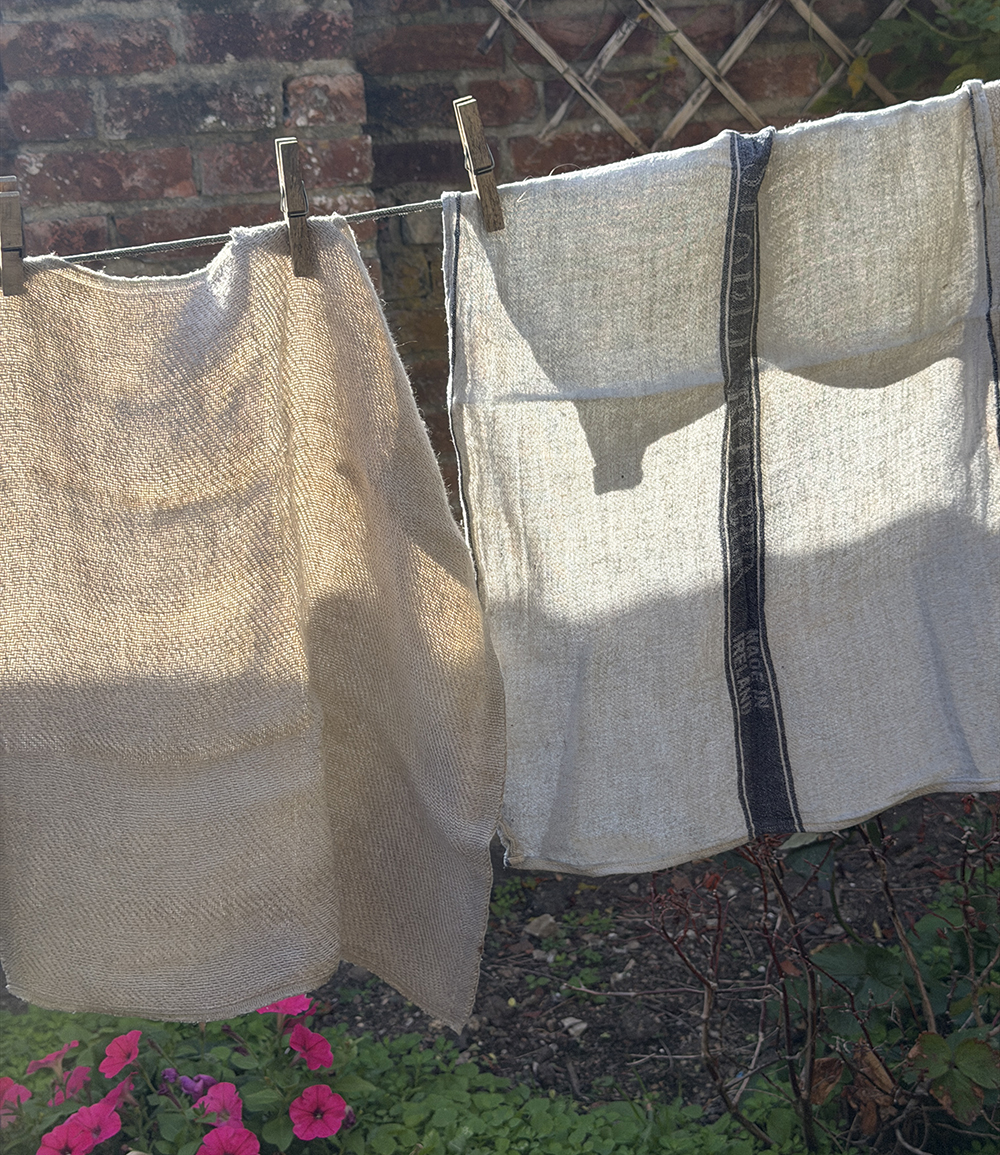
Today, linen is prized as a luxurious, eco-friendly textile, with regions like Northern France and Belgium producing some of the highest-quality flax in the world. Linen boasts exceptional breathability — hollow flax fibres allow maximum airflow, meaning linen clothes keeping you cool and comfortable. Its moisture-wicking qualities (linen absorbs up to 20% of its weight in water without feeling damp and dries rapidly, make it ideal for kitchen towels, bath sheets, and summer bedding. It has unmatched durability — flax fibres are significantly stronger than cotton, and linen actually grows stronger when wet. In use, linen gets softer over time, unlike other fabrics that degrade, high-quality linen softens gracefully with every single wash. A natural and sustainable textile, flax requires minimal water, grows well without heavy chemicals, and is completely biodegradable.