Monocle Magazine’s Top 100 Shops Worldwide | The Independent’s Top 50 Independent Stores UK | Financial Times' How to Spend It | Elle Decoration’s The New Shopkeepers
Monocle Magazine’s Top 100 Shops Worldwide
The Independent’s Top 50 Independent Stores UK
Financial Times' How to Spend It
Elle Decoration’s The New Shopkeepers
Free UK shipping for small parcels over £95 and large parcels over £150
Free UK shipping for small parcels over £95
Free UK shipping for large parcels over £150

Seasoning Carbon Steel Pans
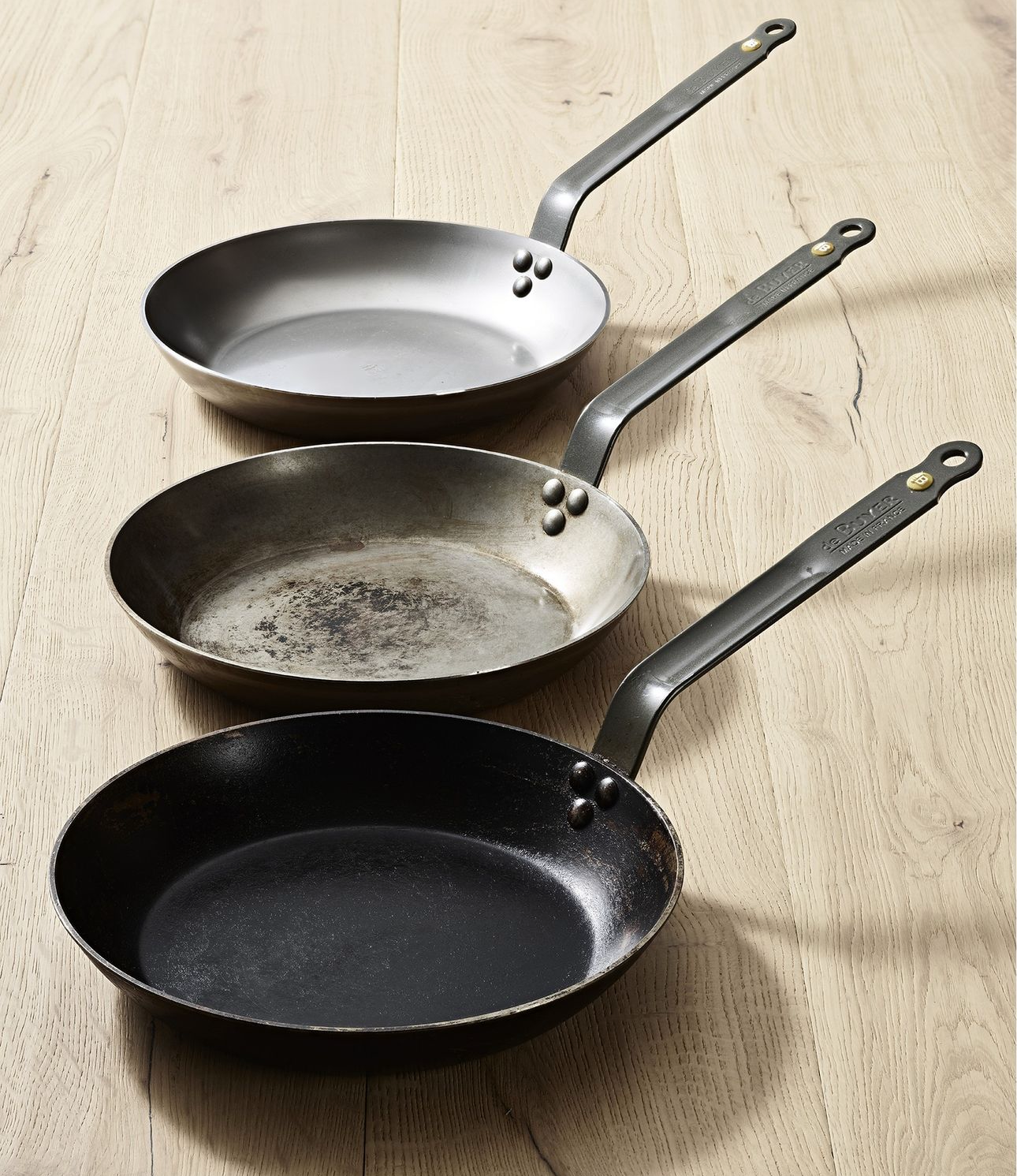
Seasoning Carbon Steel Pans
A Guide to Seasoning
When using a new carbon steel pan for the first time, wash away all of its protective oil coating with hot soapy water and a sponge or soft washing up brush. Rinse and immediately dry completely with a clean cloth. Place over a low heat or in a hot (450°F, 230°C) oven for at least ten minutes to further ensure the steel surface is completely dry.
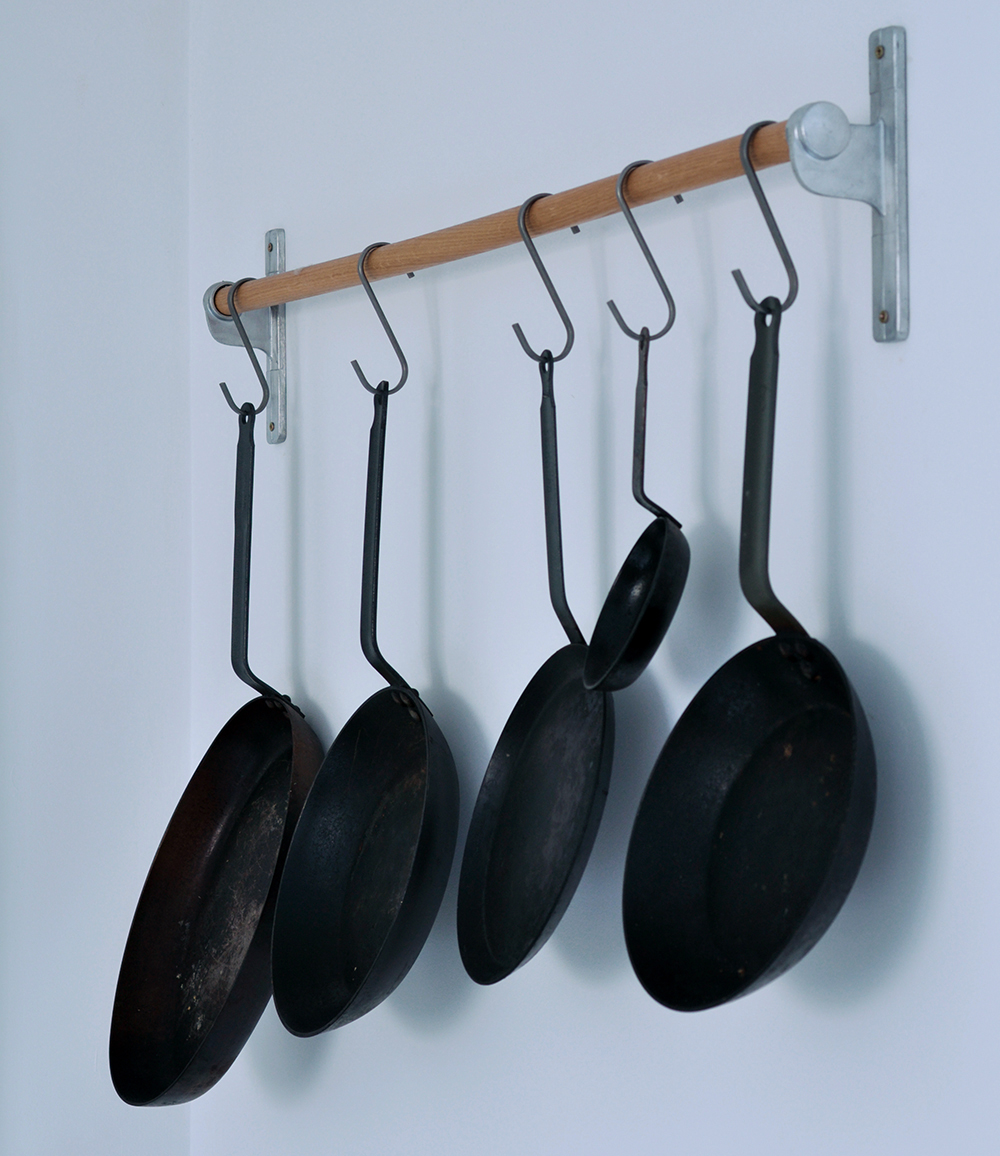
Once your pan has completely cooled, rub in some neutral food safe grapeseed, canola, or sunflower oil with a kitchen towel or cloth within the interior of the pan. If seasoning in the oven, oil can be rubbed on the outside of the pan and handle if it is untreated carbon steel as well. Wipe away any excess oil.
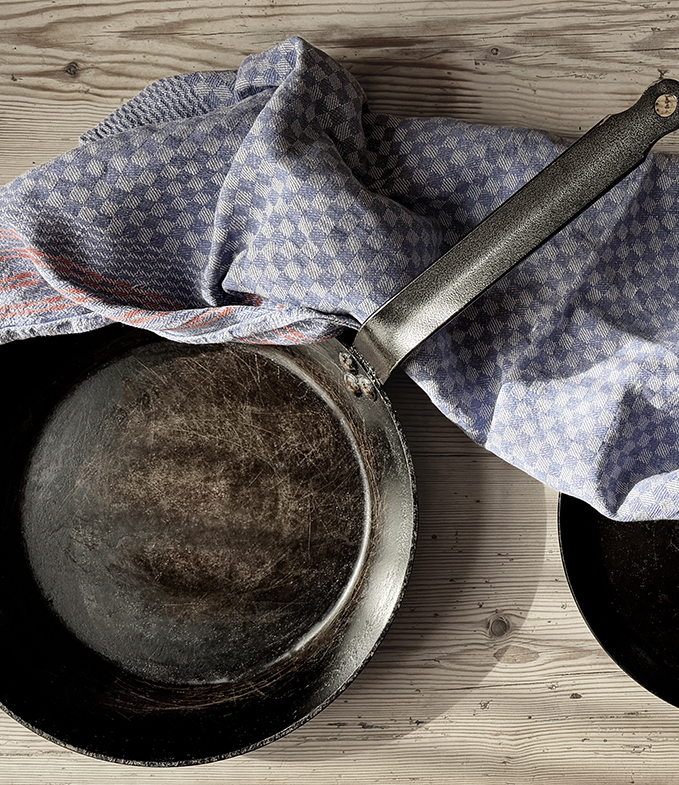
Heat the pan, either in a hot oven (in excess of 450°F, 230°C) or a hob the same diameter size as the pan. For the oven method, leave the oiled pan in for an hour upside-down on the middle rack, checking every 15 minutes, then shut off the oven and allow the pan to cool gradually. If using a hob, start heating the oiled pan on low heat and gradually increase the temperature until it reaches smoking point. Then reduce to low medium heat for twenty minutes and turn off to cool completely. For both methods, this process can be repeated multiple times to build the seasoning more.