Monocle Magazine’s Top 100 Shops Worldwide | The Independent’s Top 50 Independent Stores UK | Financial Times' How to Spend It | Elle Decoration’s The New Shopkeepers
Monocle Magazine’s Top 100 Shops Worldwide
The Independent’s Top 50 Independent Stores UK
Financial Times' How to Spend It
Elle Decoration’s The New Shopkeepers
Free UK shipping for small parcels over £95 and large parcels over £150
Free UK shipping for small parcels over £95
Free UK shipping for large parcels over £150

Wooden Items
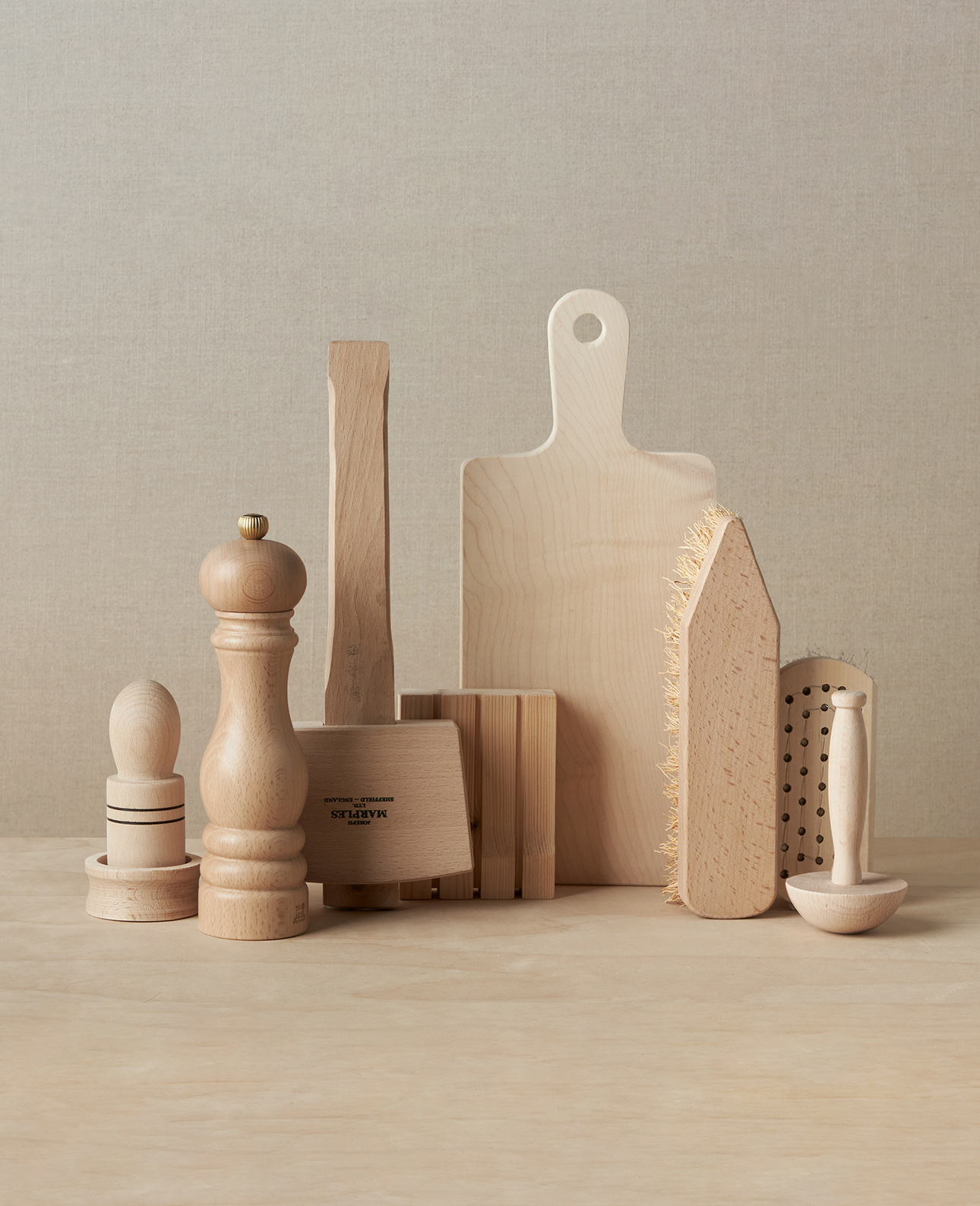
Wooden Items
Use & Maintenance
Mankind have been using wood to create tools and objects since we began creating tools and objects. Its endurance as a basic resource in our everyday lives is testament to its practicality, and to our love of timber. Wood is a popular and durable material for household objects owing to its strength, workability and beauty — every piece of wood has its own unique grain and structural qualities. With the right care and conditions, wooden items and furniture can last for multiple lifetimes. Our focus at OoU is on sustainably sourced wooden items, made using wood from responsibly managed forests, as well as manufacturing off-cuts and locally sourced wood from local arborical management.
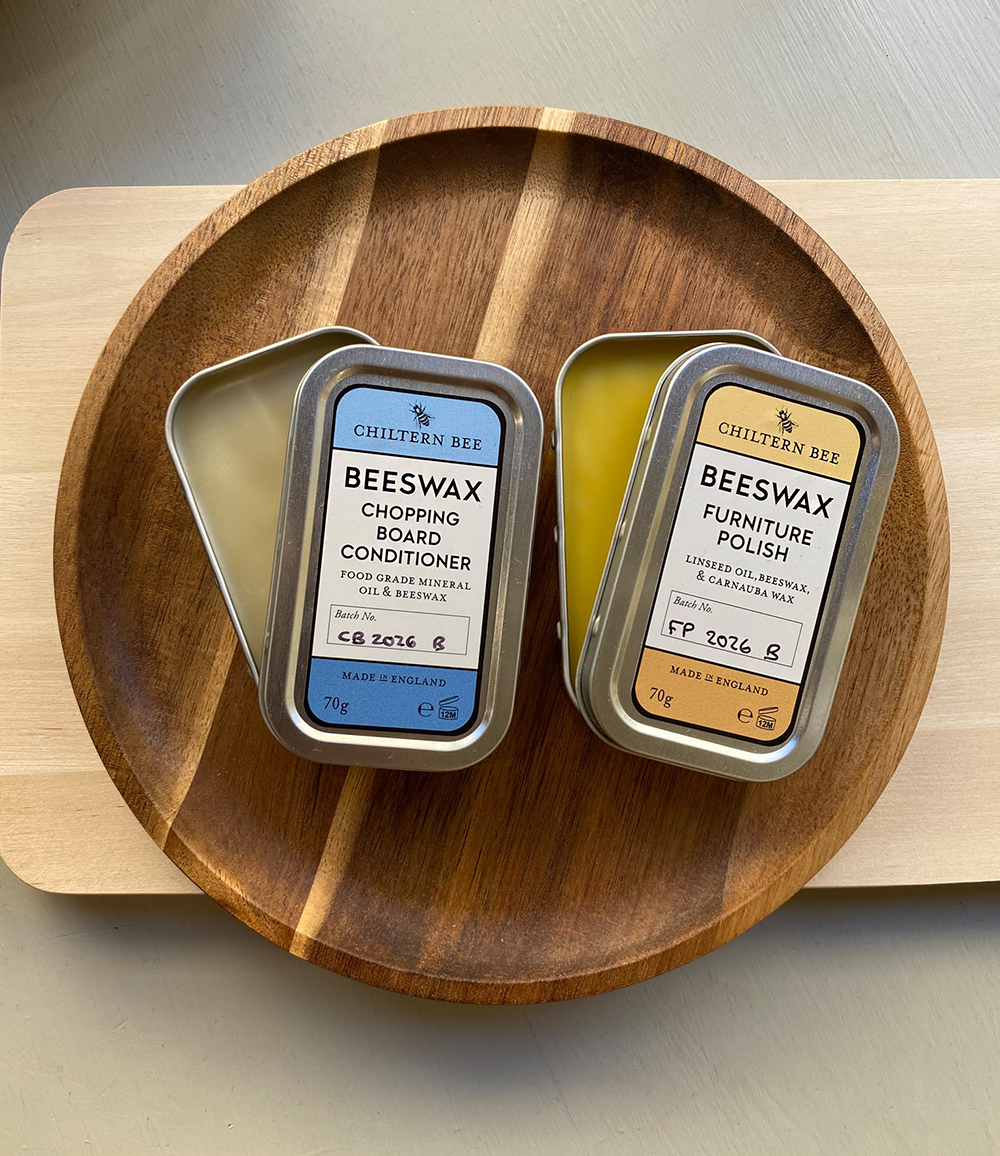
Keep your wooden items clean and free of dust — regular quick cleans will prevent a build up of harder-to-remove dirt. A wooden item’s longevity can be ensured through regular conditioning. This care is needed for some products more than others; stained or treated wood handles and furniture will need more love than dish brushes or broomsticks. Neutral oils can be rubbed with a clean cloth into the object, or wood can be sealed with beeswax. Our locally made beeswax chopping board conditioner or furniture polish do both at once. You can tell that your wood has been properly conditioned when a drop of water beads on its surface. There is no rule of thumb as for how often wood should be conditioned, but we recommend treating it much like a plant and feeding it whenever it looks thirsty. For wooden kitchen utensils, a mix of lemon and either bicarbonate of soda or salt can be rubbed into the wood to remove odours and stains, but these should fade just fine through regular use and gentle cleansing with hot water and soap.
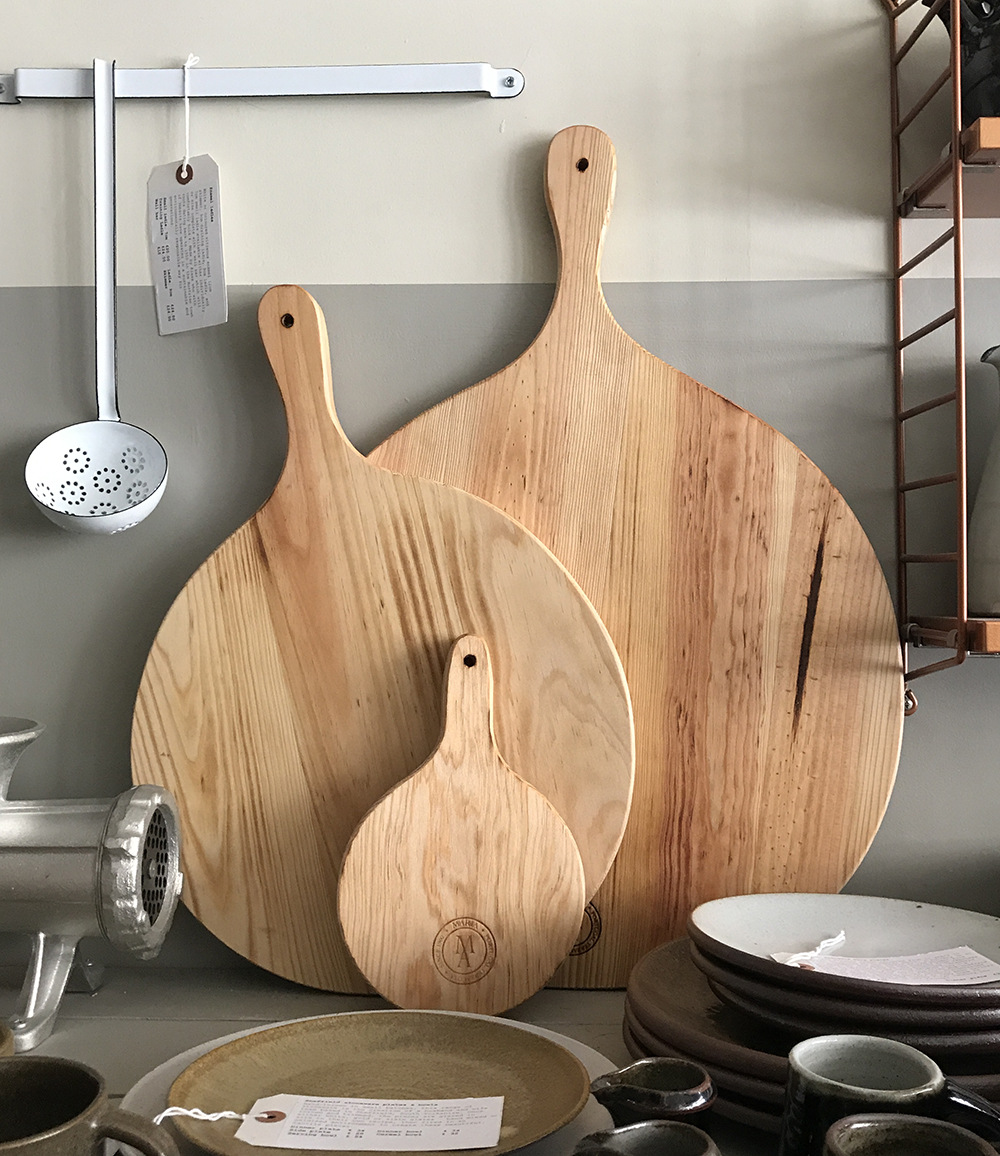
Wood has natural antibiotic qualities that result in a chopping board that, if cared for properly, will host far fewer bacteria than a plastic alternative, and won’t produce micro-plastics when scratched. For tougher cleans, a bicarbonate of soda slurry can be used with a gentle sponge — such as a loofah — or natural fibre brush to work out tough stains. When washing, using hot soapy water, both sides should be wetted and rubbed, even if only one has been used, so as to prevent un-even drying. If the board has absorbed some strong smells like garlic or onion, a layer of fine salt and lemon can be spread across the surface and left to absorb before being scraped away. This will deodorise the board without the use of heavy chemicals. Wooden chopping boards will last longer and function better with regular conditioning. Neutral oils can be rubbed with a clean cloth into the board, and then sealed with beeswax. When you first buy a board, you should oil it quite regularly for a few weeks until it stabilises. Thereafter oil every few weeks, treating it much like a plant and feeding it whenever it looks thirsty.
Using a wood conditioner on a chopping board not only enhances the boards appearance, but also seals the surface, locks in hydration, and protects the wood from moisture and bacteria. Beeswax and other natural waxes create a surface layer that keeps water, juices, and food liquids out. The thick wax helps fill in minor scratches and grooves made by knife blades, restoring a smooth surface to the wood. Sealing the pores prevents food particles, stains, and bad odours from sinking into the wood and breeding bacteria or mould.